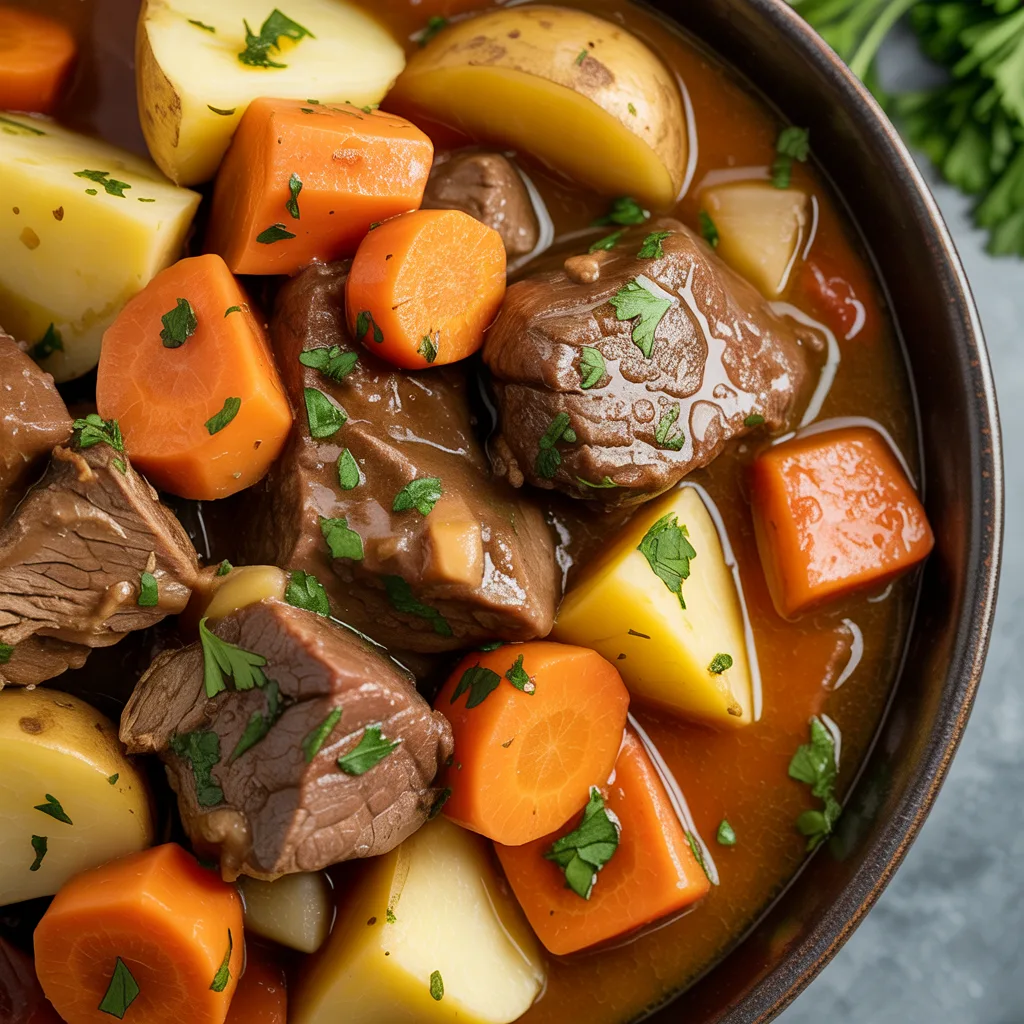
Imagine coming home after a long day to the rich, comforting aroma of a homemade meal – one that promises tender, succulent beef falling apart at the touch of a fork, nestled among hearty vegetables in a deeply flavored sauce. This isn't just a fantasy; it's the delicious reality of a perfectly executed crockpot beef stew. Far from a complicated culinary endeavor, this slow cooker classic is the epitome of "set it and forget it" convenience, delivering extraordinary flavor with minimal effort.
But what truly separates a good crockpot beef stew from an unforgettable one? The secret lies in achieving that melt-in-your-mouth beef, a textural marvel that transforms humble ingredients into a gourmet experience. This article will unveil the essential techniques and insider tips to ensure your slow cooker beef stew consistently hits that mark, making it a warming family favorite, especially on chilly or rainy days.
The Foundation of Flavor: Selecting and Searing Your Beef
The journey to tender beef begins long before it ever enters your slow cooker. The right cut of meat and a crucial preparatory step can make all the difference. While "beef stewing cubes" are readily available at most meat counters, understanding what lies behind that label is key. These are typically cuts like beef chuck roast, a powerhouse of flavor and texture when slow-cooked correctly. Chuck roast is renowned for its generous marbling (streaks of fat) and connective tissue, both of which are vital for tenderness. During long, slow cooking, this connective tissue breaks down into gelatin, creating that luxuriously tender, melt-in-your-mouth consistency we crave.
When selecting your beef, prioritize cuts with a fair amount of marbling and avoid anything too lean, as leaner cuts are more prone to drying out and becoming tough. Other excellent choices that yield similarly tender results include top or bottom round cuts, or even short ribs for an extra layer of richness. Regardless of your chosen cut, there's one step you absolutely should not skip: searing. Searing the beef cubes in a hot skillet with a touch of olive oil before they go into the slow cooker creates a beautiful brown crust. This browning isn't just for aesthetics; it’s the magical Maillard reaction at play, developing deep, complex flavors that simply can't be achieved through slow cooking alone. To ensure an even sear and prevent overcrowding, brown the beef in batches, transferring each batch along with any accumulated juices to your slow cooker. Then, in the same skillet, sauté your onions and garlic, allowing them to absorb those caramelized beef bits (known as fond) before adding them to the crockpot as well. This layering of flavor is a fundamental secret to an incredible stew.
Slow Cooker Savvy: Mastering Time and Temperature for Tenderness
The slow cooker isn't just a convenience appliance; it's a tenderizing machine. But to truly unlock its potential, especially for robust cuts of beef, understanding the optimal cooking time and temperature is paramount. For melt-in-your-mouth tender beef stew, the mantra is "low and slow."
Many recipes offer both a "high" and "low" setting, but for stewing beef, committing to the full 8-10 hours on the low setting is highly recommended. Why? Tough cuts of meat, rich in collagen, require a prolonged period of gentle, moist heat to break down effectively. Cooking on high for a shorter duration might get your stew "done," but it often results in beef that's merely cooked, not fall-apart tender. The extended low-temperature cooking allows the collagen to slowly transform into gelatin, infusing the meat with moisture and creating that characteristic silky texture. It's a testament to patience paying off in the kitchen, as those extra hours on low yield superior tenderness and more concentrated, delicious flavors. This deliberate approach ensures that every bite of your Master Crockpot Beef Stew: Tender Beef, Simple Steps, Big Flavor is a revelation of flavor and texture.
Building a Deeper Flavor Profile: Beyond the Basics
While the beef is the star, the supporting cast of ingredients plays a crucial role in creating a truly memorable crockpot beef stew. The beauty of this dish lies in its ability to transform simple pantry staples into a symphony of taste. The foundation typically includes beef broth, but there are countless ways to elevate this base and add layers of complexity.
For a touch of culinary sophistication, consider replacing some of the beef broth with about ½ to 1 cup of red wine. A dry red, such as Cabernet Sauvignon or Merlot, will add a subtle acidity, depth, and a rich, earthy note that complements the beef beautifully without overpowering it. Herbs are another powerful tool; a few fresh sprigs of thyme or a half-teaspoon of Italian seasoning can infuse your stew with an aromatic, herbaceous warmth. And don't underestimate the humble bay leaf – but be mindful of its age! Bay leaves, like many dried herbs, lose their potency over time. If yours have been languishing in the cupboard for years, a fresh packet will make a noticeable difference. For those who enjoy pushing the flavor boundaries even further, incorporating elements like beer and a hint of horseradish can introduce a delightful tang and warmth, creating a truly unique and robust profile. To explore these bolder variations, dive into Crockpot Beef Stew: Classic Comfort or Bold Beer & Horseradish?
Perfecting the Pot: Veggies, Thickening, and Finishing Touches
With your beef on its way to tender perfection and a rich liquid bubbling, it's time to ensure your vegetables hold their own and the stew's consistency is just right. One common mistake is cutting vegetables too small, especially when cooking for extended periods. For that hearty, chunky consistency, make sure to cut your potatoes and carrots into larger pieces. This prevents them from becoming mushy or "getting lost" during the 8-10 hour cook time, ensuring they retain some bite and texture.
When it comes to potatoes, your choice can subtly influence the final dish. While Russet potatoes are perfectly fine, be aware that their high starch content means they're more likely to break down and contribute to thickening the stew naturally. If you prefer potatoes that hold their shape better, red potatoes are a good option, but Yukon Golds are often considered the best bet for their creamy texture and ability to maintain their form. If, after all that cooking, your stew isn't quite as thick as you'd like, a simple cornstarch slurry (equal parts cornstarch and cold water, whisked until smooth) can be stirred in during the last 30 minutes of cooking to achieve your desired consistency. Finally, for a vibrant pop of color and an added nutritional boost, stir in a handful of frozen peas towards the very end of the cooking process, allowing them just enough time to heat through without becoming overcooked.
This crockpot beef stew is undeniably a complete meal in itself, brimming with protein and vegetables. However, it pairs beautifully with a simple side salad dressed with a light vinaigrette, or the classic accompaniment: a thick slice of crusty bread, cornbread, or a warm dinner roll, perfect for soaking up every last drop of that incredible sauce. For a truly decadent touch, try serving it with some cheesy garlic bread.
Conclusion
The journey to a truly unforgettable crockpot beef stew doesn't require complex culinary skills, but rather an understanding of a few fundamental principles. From selecting the right marbled cuts of beef and embracing the flavor-boosting power of searing, to honoring the "low and slow" method for ultimate tenderness, each step contributes to a dish that transcends mere sustenance. By thoughtfully layering flavors with fresh herbs and perhaps a splash of wine, and ensuring your vegetables are cut to withstand the long cooking process, you can effortlessly create a meal that defines comfort. So go ahead, dust off your slow cooker, and prepare to delight your senses with a beef stew where every bite of beef is unbelievably melt-in-your-mouth tender.
